Hot water tanks are crucial components of our daily routines, providing the comfort of warm showers, clean dishes, and cozy homes. However, like any appliance, they can encounter issues that disrupt their functionality. Knowing how to troubleshoot these problems can save you time and money while ensuring your hot water tank operates efficiently. This guide delves into common hot water tank issues, practical troubleshooting steps, and when to seek professional assistance.
Understanding Your Hot Water Tank
Before diving into specific problems, it’s essential to understand how a hot water tank works. Most residential units are either tank-style or tankless. The standard tank-type heater stores a specific volume of heated water, which can range from 20 to 80 gallons depending on household needs. Tankless models heat water on demand but require more complex maintenance.
Key components include the thermostat, heating elements (in electric models), gas burners (for gas models), and pressure relief valves. Each part plays a vital role in ensuring that hot water is available when needed.
Common Problems with Hot Water Tanks
No Hot Water
One of the most frustrating issues homeowners face is a lack of hot water. This problem can stem from several factors:
Power Supply Issues: For electric heaters, check if the circuit breaker has tripped or if there’s a blown fuse. Thermostat Settings: Ensure that the thermostat is set to an appropriate temperature (usually around 120 degrees Fahrenheit). Heating Element Failure: In electric heaters, one or both heating elements may be faulty. Pilot Light Outage: Gas heaters require a functioning pilot light; if it goes out, the burner will not ignite.Identifying the root cause is essential for effective repairs.
Leaking Water Heater
Water pooling around your hot water tank indicates a potential leak that could lead to significant damage if not addressed promptly. Common causes include:
- A faulty pressure relief valve Corroded pipes Sediment buildup causing cracks in the tank
To troubleshoot this issue, inspect all connections and ensure fittings are tight. If you discover corrosion or extensive leaks from the tank itself, replacement might be necessary.
Inconsistent Water Temperature
Experiencing fluctuating temperatures during showers can be frustrating and inconvenient. This inconsistency often occurs due to:
- A malfunctioning thermostat Sediment buildup within the tank Issues with incoming cold water supply
Flushing your hot water tank regularly can help prevent sediment buildup water heater upgrade options and ensure consistent performance.
Strange Noises
Unusual sounds emanating from your hot water heater—such as rumbling or popping—are often indicators of sediment buildup at the bottom of the tank. As minerals accumulate over time, they create heat pockets that result in noise as they burst when heated.
To alleviate this issue, flushing your unit may be necessary to remove sediment and restore quiet operation.
Step-by-Step Troubleshooting Guide
When faced with a malfunctioning hot water tank, follow these systematic troubleshooting steps:
Check Power Supply: For electric units, verify that power is reaching the heater by examining circuit breakers or fuses. Inspect Thermostat Settings: Confirm that your thermostat settings are optimal. Examine Heating Elements: If no hot water is produced despite power being on, test heating elements for continuity using a multimeter. Look for Leaks: Inspect all connections for signs of moisture or corrosion. Flush the Tank: Regularly flush your unit to remove sediment buildup—this helps maintain efficiency and prolongs lifespan.If these steps do not resolve the issue, consider contacting a professional for further evaluation.
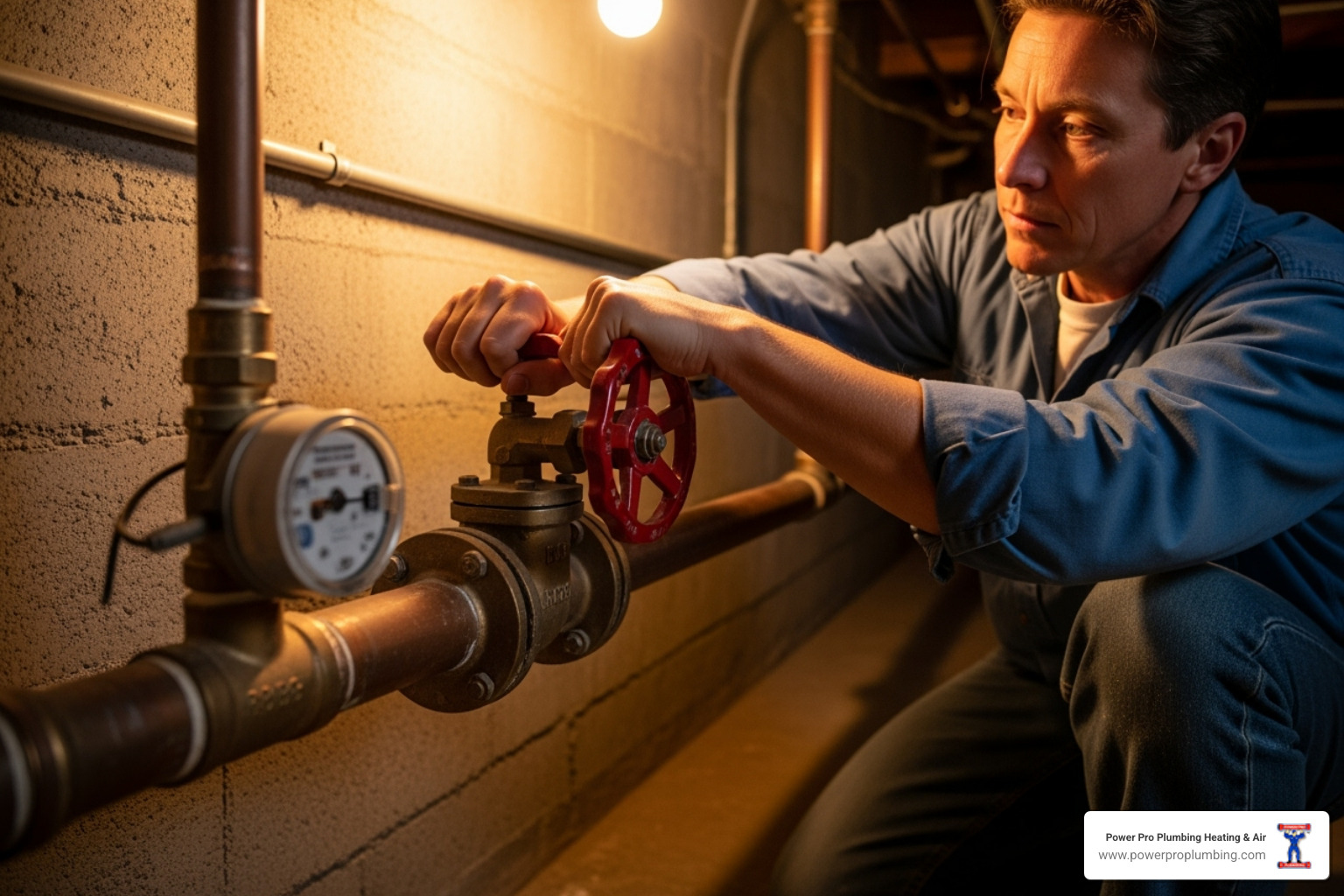
When to Call a Professional
While DIY troubleshooting can solve many common problems with your hot water tank, some situations warrant professional intervention:
- Persistent leaks that do not respond to tightening fittings Electrical issues involving wiring or circuit boards Complex repairs requiring specialized knowledge about gas lines or electrical systems Replacement needs for aging units nearing their life expectancy (typically 10–15 years)
Attempting repairs beyond your skill level can lead to accidents or further damage; knowing when to call in an expert is crucial for safety and effectiveness.
Maintenance Tips for Longevity
Preventative maintenance can significantly extend the lifespan of your hot water tank and reduce the likelihood of unexpected breakdowns:
Regular Flushing: Flushing your hot water heater annually removes sediment buildup. Check Anode Rods: Inspecting and replacing anode rods every few years prevents rusting inside the tank. Inspect Pressure Relief Valve: Test this valve annually by lifting its lever; it should release some water if functioning correctly. Monitor Temperature Settings: Keep thermostat settings between 120–140 degrees Fahrenheit for optimal performance without scalding risks. Schedule Professional Inspections: Having a licensed plumber inspect your system periodically allows early detection of potential problems before they escalate.
By incorporating these maintenance practices into your routine, you can enjoy consistent performance from your hot water system while minimizing repair costs down the line.
Advanced Troubleshooting Techniques
For those comfortable with home repairs who wish to explore more intricate problems with their heating systems, several advanced techniques may apply:
Thermostat Replacement
If you've confirmed that power reaches your unit yet still experience heating issues after adjusting settings, replacing the thermostat might be necessary:
Turn off power. Remove access panel on electric heaters (or access cover on gas units). Disconnect wires from old thermostat carefully. Install new thermostat according to manufacturer instructions. Restore power and test functionality.Heating Element Replacement
In cases where one heating element fails in an electric heater:
expansion tank repair Power off and disconnect unit from electrical supply. Remove access panel(s) to expose heating elements. Unscrew faulty element using a socket wrench; replace with new component following manufacturer guidelines. Reassemble panels securely before restoring power.Expansion Tank Installation
If fluctuations in pressure lead to excessive strain on plumbing systems:
Select suitable expansion tank based on household size and needs. Install near existing cold-water inlet lines while following local codes regarding plumbing installations. Ensure proper connections are made without leaks before testing system functionality post-installation.By understanding these advanced techniques and employing them judiciously based on experience level and comfortability with mechanical tasks around home plumbing systems, homeowners can address more sophisticated issues effectively without unnecessary reliance on professionals alone.
Conclusion
Navigating common problems associated with hot water tanks doesn’t have to feel overwhelming; understanding how these systems function empowers homeowners when facing challenges related directly or indirectly towards heating solutions needed throughout daily life activities such as bathing or laundry processes alike! Through consistent monitoring combined alongside periodic maintenance strategies outlined here along with practical troubleshooting methods detailed above—homeowners will find themselves equipped confidently manage everything from minor inconveniences through significant repairs without undue stress!
Whether you’re dealing with no hot water repair needs today—or simply hoping avoid complications tomorrow—taking proactive measures ensures reliable access whenever desired while maximizing efficiency throughout entire lifespan investment made within respective appliances purchased initially!